Prototyping, UX strategy, UI design
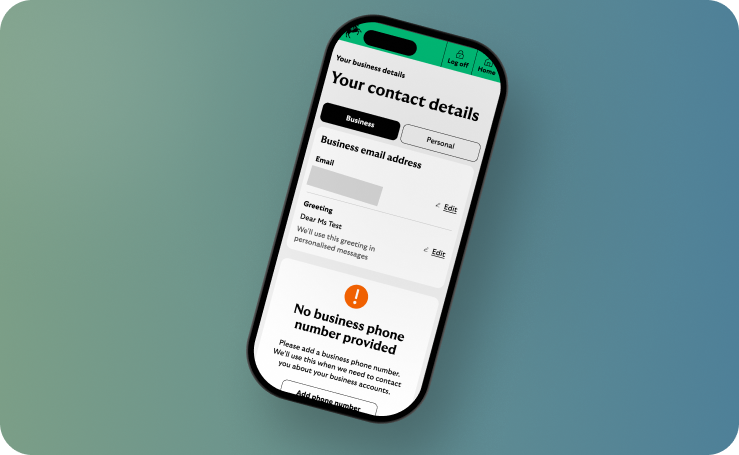
Contact details and marketing consents
Giving the ability to our customers to view, amend and remove old business and personal contact details and opt-in marketing communications.
You have fifteen tabs open —
make this one count.
Kon · UX/UI & Product Designer

"I start by listening"
I design for people behind the problem — not just the screen in front of them
Linkedin
I'm a UX/UI and Product Designer with 8 years of experience. Most of them spend in banking and government projects. I'm naturally curious — I learn about the world through observation, questioning, studying and exploration.
Prototyping, UX strategy, UI design
Giving the ability to our customers to view, amend and remove old business and personal contact details and opt-in marketing communications.
UX research, service design, prototyping
Uncovering barriers in the Universal Credit claims journey to reduce drop-off and support users through a complex government service.
End-to-end UX, interaction design
Designing a dignified and compliant offboarding experience for business banking customers exiting the platform.